
What Is a Whaling Attack? Whale Phishing Explained


Introduction
If you have ever heard someone say, “Phishing is getting more convincing,” whaling is usually what they are talking about.
A whaling attack (sometimes called whale phishing) is a type of highly targeted phishing that goes after “big fish,” meaning executives, founders, finance leaders, HR managers, and other people with authority, access, or the ability to move money fast.
Instead of blasting the same scam to thousands of inboxes, whaling aims for a small number of high value targets with messages that feel personal, urgent, and business critical.
On the Efani blog, we talk a lot about protecting your identity and your accounts. Whaling matters because it is one of the fastest ways attackers turn a little bit of information into a very expensive mistake.
Is your cellphone vulnerable to SIM Swap? Get a FREE scan now!
Please ensure your number is in the correct format.
Valid for US numbers only!
What Is A Whaling Attack?
A whaling attack is a targeted social engineering attempt designed to trick a high level person into doing something the attacker wants, usually one of these:
- Sending money (wire transfers, ACH, crypto, gift cards)
- Sharing sensitive data (payroll info, customer lists, tax documents, legal files)
- Handing over credentials (email login, cloud apps, payroll systems)
- Approving access (changing vendor payment details, adding a new authorized user)
The name “whaling” is helpful because it hints at the goal: one successful hit can be worth more than thousands of regular phishing emails.
Whaling is not defined by the tool (email vs text vs phone). It is defined by the target and the level of customization. Email is the most common, but whaling can also happen through:
- SMS and messaging apps
- Phone calls
- LinkedIn and other social platforms
- Calendar invites and shared documents

Whaling Vs Phishing Vs Spear Phishing
These terms get mixed together, so here is the simple way to think about it:
- Phishing is broad and generic. One message, many targets.
- Spear phishing is targeted. The attacker knows who you are and tailors the bait.
- Whaling is spear phishing aimed at high value people, often with higher effort and higher stakes.
Whaling is basically spear phishing with a corner office.
Why Whaling Works So Well
Whaling succeeds because it targets human habits, not just technical weaknesses. Attackers rely on a few predictable dynamics in leadership roles.
1. Authority And Urgency
Executives get urgent requests all day. Attackers copy that tone on purpose. Messages like “I need this done in 30 minutes” are designed to stop you from verifying.
2. Busy Schedules And Context Switching
If you are in meetings, traveling, or handling a crisis, you are more likely to skim, not scrutinize.
3. Trust And Deference
If a message appears to come from the CEO, legal counsel, or a board member, people hesitate to push back. Attackers know this.
4. Confidentiality Pressure
A common trick is adding secrecy: “Do not loop in anyone else, this is sensitive.” That isolates the victim from the very people who would spot the scam.
SIM Swap Protection
Get our SAFE plan for guaranteed SIM swap protection.
How A Whaling Attack Typically Unfolds
Most whaling campaigns follow a familiar playbook.
1. Reconnaissance
Attackers gather details so the message sounds legitimate. They may use company websites, LinkedIn profiles, social media posts, past data breaches, or leaked credentials.
This is why whaling emails often mention real projects, vendors, or coworkers.
2. Impersonation Setup
The attacker chooses how to look official. This might involve spoofed display names, look alike domains, compromised real email accounts, or reply-to tricks that redirect responses elsewhere.
3. The Ask
The request is usually simple, specific, and time sensitive. Common examples include wiring money, changing vendor bank details, sending payroll data, signing documents, or buying gift cards.
4. Escalation And Persistence
If you hesitate, the attacker pushes harder. If you comply, they often follow up with additional requests or attempt to move deeper into other systems.
Monthly
Yearly
Types Of Whaling Attacks
Whaling has its own ecosystem, but there are some patterns in how these attacks occur:
1. CEO Fraud And Executive Impersonation
The attacker pretends to be a CEO or founder and pressures finance, payroll, or assistants into fast action.
2. Business Email Compromise
Often referred to as BEC, this involves compromised or convincingly impersonated email accounts used to redirect payments or steal data.
3. Payroll And HR Data Theft
Attackers impersonate leadership and request tax forms, employee records, or direct deposit information.
4. Legal Or Compliance Pretexting
Messages claim to involve lawsuits, audits, contracts, or confidential deals, making victims nervous and compliant.
5. Credential Harvesting
Instead of asking for money, attackers push fake login pages for email, cloud tools, or document signing services.
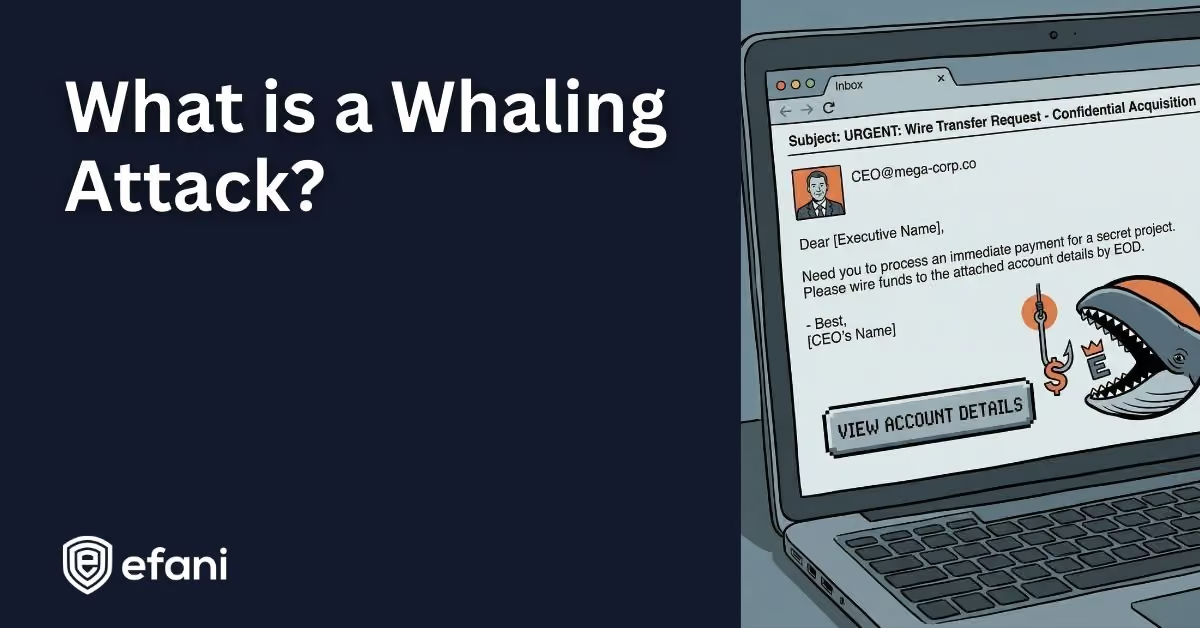
What A Whaling Email Looks Like
Whaling emails are often short on purpose. Short messages leave less to verify.
Common red flags include unusual urgency, secrecy requests, payment method changes, slightly incorrect domains, odd phrasing, strange timing, unexpected login prompts, or pressure to bypass normal processes.
Attackers often try to move the conversation off email by saying something like “email is acting weird, text me here,” and then provide a number that is not on file.
Why Executives Are Targeted Specifically
Executives have authority, access, and financial impact. One approval can override safeguards, one inbox can expose systems, and one payment can move large sums.
They are also public. Names, roles, travel, and professional relationships are easier to research, making impersonation more believable.
How To Prevent Whaling Attacks
Make it normal to double check high risk requests. If money, credentials, or sensitive data are involved, verification through a second channel should be expected, not awkward.
1. Lock Down Payment And Vendor Changes
Dual approvals, callback verification, waiting periods for new accounts, and clear escalation paths dramatically reduce losses.
2. Train High Risk Roles
Executives, assistants, finance, HR, and IT should see realistic, company specific examples, not generic phishing slides.
3. Reduce Public Oversharing
Limit public details about internal projects, vendors, org charts, and real time travel when possible.
4. Strengthen Email Security Basics
Strong authentication, MFA, domain protections, inbox rule monitoring, and look alike domain blocking still matter a lot.
5. Protect Mobile Numbers And Accounts
Many whaling attempts move to SMS or phone. Treat mobile numbers as part of your security perimeter, not a convenience layer.
What To Do If You Think You Are Being Whaled
Pause first. Do not click or reply. Verify using known contact information. Report it internally. Preserve the message. If money was sent, contact the bank immediately. If credentials were entered, change passwords, revoke sessions, and strengthen authentication.
Reporting even near misses helps protect everyone else.
Before acting on a high stakes request, ask:
- Is this normal for this person?
- Is the urgency real or manufactured?
- Does this involve money, credentials, or sensitive data?
- Is the sender address exactly correct?
- Can I verify this quickly through another channel?
If anything feels uncertain, verify first.
Conclusion
Whaling attacks work because they exploit trust, authority, and speed. The fix is not paranoia. It is simple discipline.
No matter who a message appears to come from, high impact actions deserve a quick second channel check. That habit alone stops most whaling attacks cold.


